

6 Proven Customer Retention Strategies for Restaurants

Written by
WappCloud Team

Post date
11 Jun 2026
In today's competitive restaurant industry, attracting new customers is only half the battle. The real challenge lies in keeping them coming back. Since acquiring new customers is significantly more expensive than retaining existing ones, restaurants that focus on customer retention enjoy stronger revenue, lower marketing costs, and long-term growth.
This guide explores practical and effective restaurant customer retention strategies that help turn occasional diners into loyal customers.
What Is a Customer Retention Strategy?
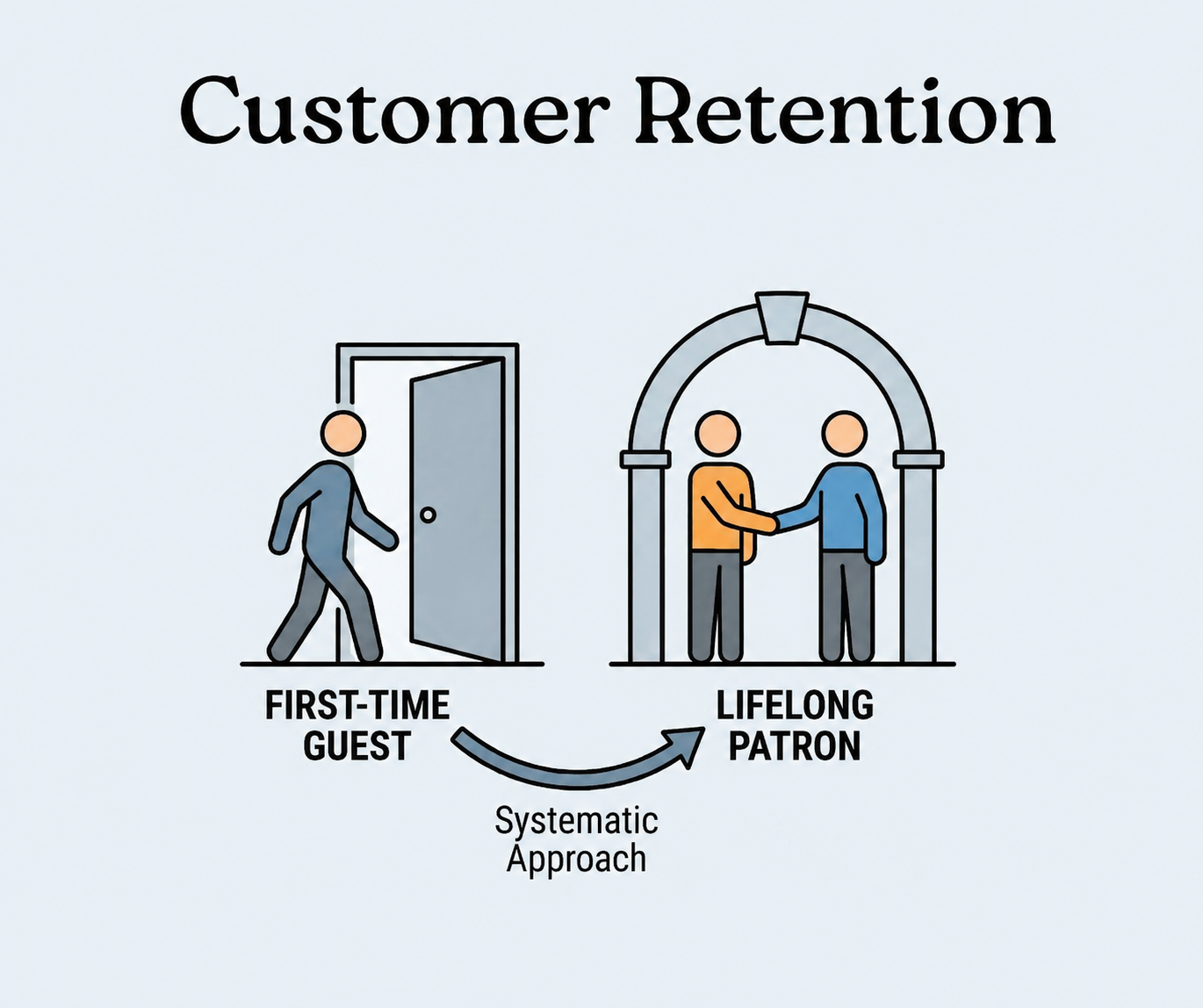
A customer retention strategy is a planned approach designed to encourage customers to return repeatedly over time. Rather than constantly chasing new guests, retention focuses on building lasting relationships with existing customers.
Successful retention involves understanding customer preferences, maintaining meaningful communication, and creating memorable dining experiences. It is not about offering endless discounts but about delivering consistent value that keeps guests engaged with your brand.
Why Many Restaurant Retention Efforts Fall Short
Many restaurants rely on outdated tactics such as punch cards, generic promotional emails, or one-size-fits-all discounts. Unfortunately, these methods often fail because they lack personalization and consistency.
Effective customer retention requires three key elements:
- Customer data and insights
- A communication channel customers actively engage with
- Automation to ensure consistent follow-up
Without these components, retention efforts become difficult to scale and measure.
6 Proven Customer Retention Strategies
1. Build Relationships Through WhatsApp
Today's customer interactions happen on smartphones. While promotional emails often go unread, WhatsApp messages enjoy exceptionally high open rates and create a more personal experience.
Instead of sending mass promotions, restaurants can use WhatsApp to reconnect with inactive guests, send birthday greetings, share exclusive offers, and provide personalized recommendations.
Example Messages
Re-engagement Message
"Hi [Name], it's been a while since your last visit to [Restaurant Name]. We've recently introduced a new seasonal special that we think you'll love. Reply 'TABLE' if you'd like us to reserve your favorite spot this week."
VIP Invitation
"Hello [Name], we're giving our regular guests early access to our new tasting menu before the public launch. We have limited seats available this Thursday. Reply YES if you'd like to reserve your place."
Platforms like WappCloud help restaurants automate these interactions while maintaining a personal touch.
2. Use Customer Data to Personalize Experiences
Customers appreciate businesses that remember their preferences. Sending relevant offers based on previous orders demonstrates that you understand their needs.
For example, a customer who regularly orders vegetarian meals should receive promotions related to vegetarian dishes rather than generic menu offers.
By integrating POS data with customer communication platforms, restaurants can create targeted campaigns that increase engagement and repeat visits.
3. Upgrade Loyalty Programs Beyond Discounts
Traditional loyalty programs often focus solely on rewards and discounts. However, customers are more likely to stay loyal when they feel valued and recognized.
Consider creating a tier-based loyalty program:
- Tier 1: Standard rewards and points
- Tier 2: Access to exclusive menu items
- Tier 3: Priority reservations and VIP dining privileges
Exclusive experiences and recognition often create stronger emotional connections than discounts alone.
4. Create a Proactive Feedback System
Customer feedback provides valuable insights that can help prevent negative reviews and customer churn.
After a dining experience, send a simple follow-up message asking guests to rate their visit. Immediate feedback allows your team to address concerns before they escalate publicly.
Example Feedback Message
"Thank you for dining with us today. We'd love to hear about your experience. Please rate your visit from 1 to 5."
Quickly resolving customer issues can transform an unhappy guest into a loyal advocate for your restaurant.
5. Strengthen Community Connections
Restaurants play an important role within local communities. Building relationships with nearby residents, offices, gyms, schools, and local organizations can encourage repeat visits.
Ideas include:
- Community dining nights
- Local partnership programs
- Neighborhood-exclusive offers
- Special events and gatherings
When customers view your restaurant as part of their routine, retention naturally improves.
6. Focus on Creating Memorable Experiences
Great food is important, but memorable experiences are what customers talk about and return for.
Whether it's exceptional service, a unique atmosphere, live cooking stations, signature dishes, or engaging staff interactions, the overall experience often determines customer loyalty.
Share your story through digital channels. Highlight your chefs, ingredients, team members, and restaurant culture. Customers connect with authentic experiences and real people.
The Business Impact of Retention
Research consistently shows that even a small improvement in customer retention can have a significant effect on profitability. Increasing retention by just 5% can lead to substantial growth in long-term revenue and customer lifetime value.
While attracting new customers remains important, long-term restaurant success depends on retaining existing ones. By focusing on personalized communication, customer insights, loyalty programs, proactive feedback, community engagement, and memorable experiences, restaurants can build stronger customer relationships and sustainable growth.
Technology may have evolved from handwritten reservation books to automated platforms like WappCloud, but the core principle remains unchanged:
Give customers a reason to return, and they will.
Ready to improve your restaurant's customer retention strategy? Discover how WappCloud can help automate customer engagement and build lasting customer relationships.